ADVERTISEMENT
Photos
Haiti Bans Citizens from Ebola UN Volunteer Mission in Africa

In a recent statement dated October 2, 2014, by the Ministers of Health, Interior and Defense, the Haitian government has forbidden any agency or organization to recruit Haitian volunteers on any mission for Ebola Emergency Response (UNMEER). The announcement came in the wake of a news release on social networks that the United Nations was recruiting volunteers to respond to the Ebola outbreak. Haiti is a frequent victim of outbreaks and contagious diseases. A cholera epidemic hit the country four years ago and killed over 8,500 people and infected more than 700,000 people. 'Cholera' was non-existent in Haiti for last 100 years; it was brought to Haiti by some U.N peace keepers from Nepal, stationed near a major river. Even this year, there was over tens of thousands of suspected cases of an outbreak of the mosquito-borne virus known as 'Chikungunya'. 'Ebola' is a severe haemorrhagic fever with a fatality rate around 50%. The virus is transmitted to people from wild animals and spreads through human-to-human transmission. It is a grave issue of health risk and that definitely calls for a serious preventive measure.
Deported, a Film by Rachele Magloire and Chantal Regnault
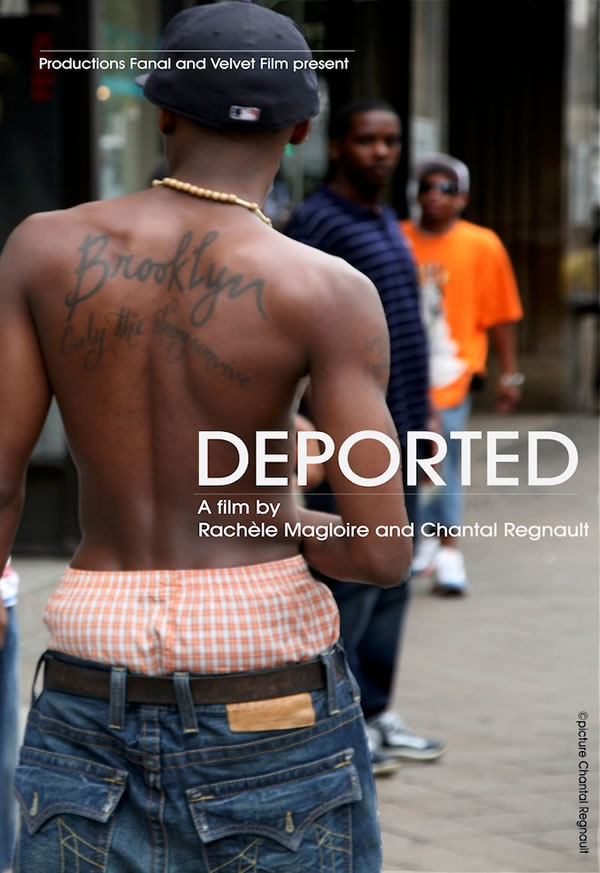
For the past three years, two filmmakers, Rachel Magloire and Chantal Regnault did a lot of research to learn the experience of a unique group of outsiders in Haiti--the criminal deportees from North America. Since 1996 and 2002, the U.S.A and to a lesser extent Canada were conducting a systematic policy of repatriation of all foreign residents who commit offenses on their soil. The extent of crime was immaterial--from violent to petty theft. When a deportation order is executed, Haitians victims of such repatriation were returned to Haiti--a new life begins in an unfamiliar and hostile land. They struggle with very limited financial means. Most of them have never been on Haitian soil or left when they were very young and many of them no longer have any family. They are unwelcome criminals, others view them with suspicion. The film speaks in the voice of the former offenders and their families. The film has been rewarded at the Festival of African Montreal as the best international documentary. Rachel Magloire was born in Port-au-Prince, Haiti, but she was raised in Montreal, Quebec. Chantal Regnault is a French-Haitian photographer who was born in France, presently lives in New York.
Port Lafito international multipurpose port and terminal
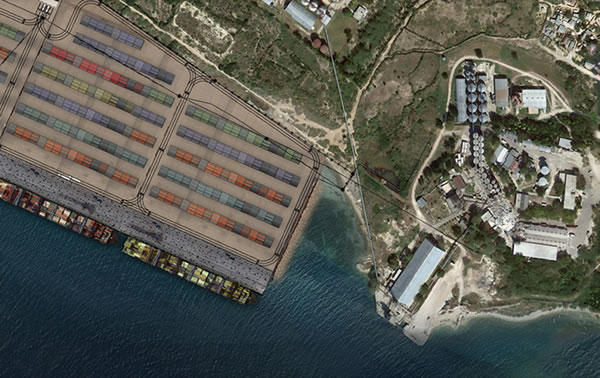
Port Lafito is a private international multipurpose port and terminal that is under construction at 20 km outside Port-au-Prince. It is Haiti's first greenfield multipurpose Panamax port equipped with the most recent quay and terminal equipment for handling containerized and loose-bulk cargo. 'Panamax' is the term for the size limits of ships traveling through the Panama Canal as per its expansion proposal, October 2006. With an estimated project cost of $57-million and scheduled to be completed within Q4 2014, Port Lafito, a subsidiary of the Gilbert Bigio Group will offer computerized load management for vessels as per Panamax requirement, speedy customs and National Port Authority services. It will be a new gateway which will connect Haiti to the rest of the world. In May this year, Port Lafito announced that it had reached a strategic alliance with SSA Marine to manage its port and terminal operations in Haiti. SSA Marine is a subsidiary of Carrix, Inc., a Seattle, Washington based privately-held company. They have activities at more than 210 terminal facilities and intermodal rail operations, all over the world.
SONAPI (Société Nationale des Parcs Industriels or National Society of Industrial Parks)
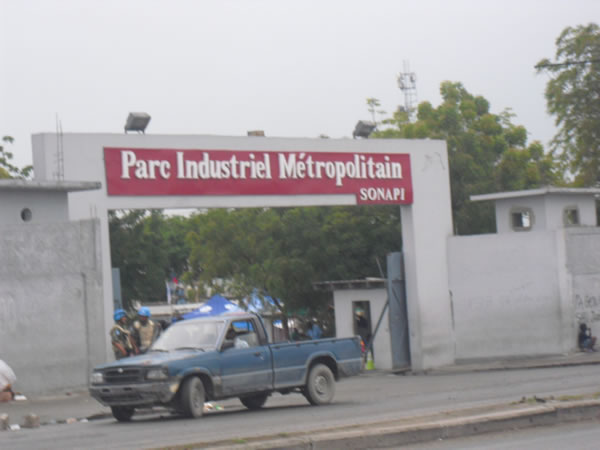
SONAPI is an industrial and commercial autonomous body under public law, which was created to implement, organize, manage and promote Industrial Parks in the Republic of Haiti. Metropolitan Industrial Park and Caracol Industrial Park located in Port-au- Prince, are the property of SONAPI. In last August, Mexican Ambassador Jose Luis Alvaro with a delegation team met President Michel Martelly to foster cooperation between the two countries. The Embassy of Mexico and the Directorate General of SONAPI have talked about several initiatives on the expansion programs under which a project will be conducted in two phases to accommodate new businesses and create around 4,000 jobs. The first phase will include construction of four buildings of 10,000 square meters each and additional six or seven buildings will be constructed in the next phase. The Mexican Ambassador has confirmed his country will disburse $20 million for the first phase.
Haitian-American Comedian, Actor, Writer Mackenson Louis
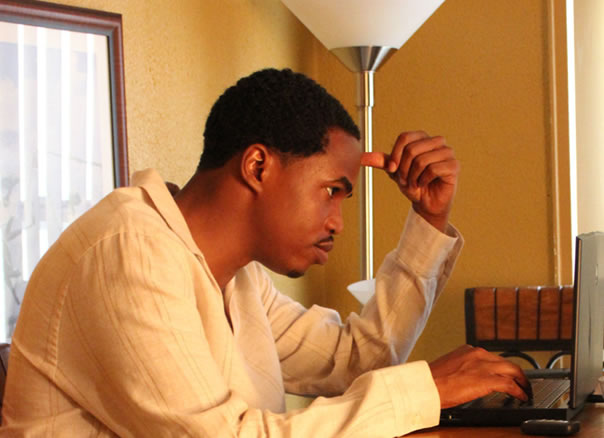
Mackenson Louis, the Haitian-American comedian/actor/writer migrated to the United States when he was just 8 years old. His surroundings and upbringing were the perfect breeding ground for his talent on comedy and writing. Mackenson Louis is the Owner and CEO of the fastest growing entertainment corporation "I'm Macken'Son Entertainment" founded in 2012. IME is currently shooting "Comedy Joy Ride"--a stylish, witty diverse comedy sketch with energy of Saturday Night Live. This sketch/standup comedy tour and television pilot will appear on October 10 at the Kinanm Lounge (856 Atlantic Avenue in Brooklyn). He will bring his Stand up to Stage 72 (formerly known as The Triad Theater) in Manhattan beginning on Sunday, October 12th at 7:00 pm. Admission is $10.00 for each performance. He is the writer of all sketches and they are directed by his brother Donald Louis. Presently, Louis is the hottest comedians and impressionist in America; he loves to create and produce quality content for television and the Internet as he loves to find and nurture talents.
Malnutrition in Haiti
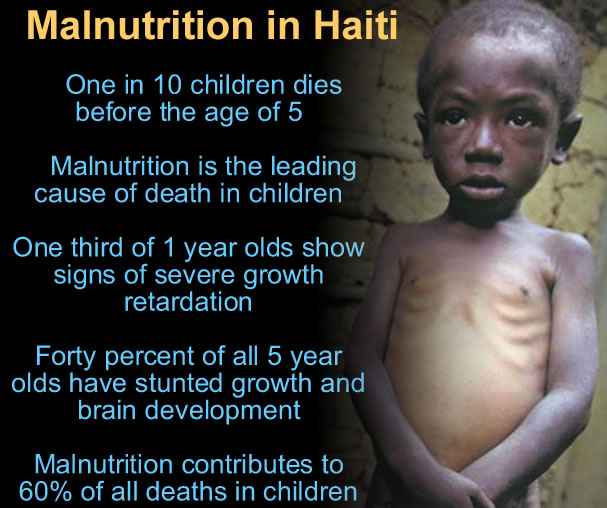
Malnutrition in an underprivileged and poor developing country like Haiti is a major critical problem. Poverty is its main root cause over other factors like economic, environmental, and social reasons. One in every 10 children in Haiti dies of malnutrition. One of the leading factors (60%) of child death is malnutrition. Around 40% of the 5 year children indicate stunned growth and poor brain development. The most common effects of malnutrition in Haitian children are: lack of adequate immune system, erratic behavior changes, 2 in every 10 are underweight, slow development and cognitive deficiency. Today around 6.7 million, or a staggering 67% of the population goes without food some days. Most of them have either limited access to the food or can't afford a balanced diet and as many as 1.5 million of them face malnutrition and other hunger-related problems.
Terrorism and Military Occupation in Haiti by United Nations, MINUSTAH
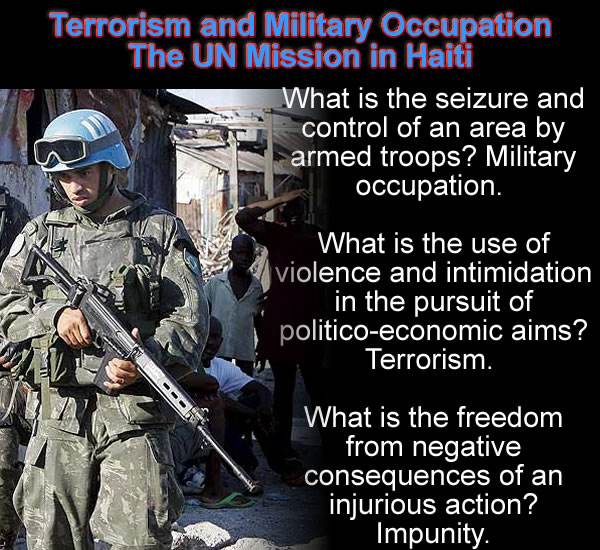
For the past 10 years, with their occupancy in Haiti since 2004, the United Nations Stabilization Mission in Haiti (MINUSTAH) has maintained a reign of terror. An Intergovernmental body created for promoting human rights and maintaining peace sounds more like tyrannical to Haitians. The troop first arrived in June 2004, just one month after Aristide's kidnapping. One of its first act was to support the illegal administration that followed the coup. Haitians are never satisfied with the MINUSTAH. There are many reasons for their dislike. Some of which include: (1) MINUSTAH people continually harass and humiliate Haitians; (2) They enjoy immunity from prosecution; (3) They often sabotage democracy and electoral processes for own interest; (4) Interferes in Haiti's political affairs; (5) They were ineffective, cowardice and hardly cooperative during the earthquake emergencies; (6) Carriers of many contagious diseases; (7) The presence of UN troop on Haitian soil is illegal.
Drought or the Dry season in Haiti
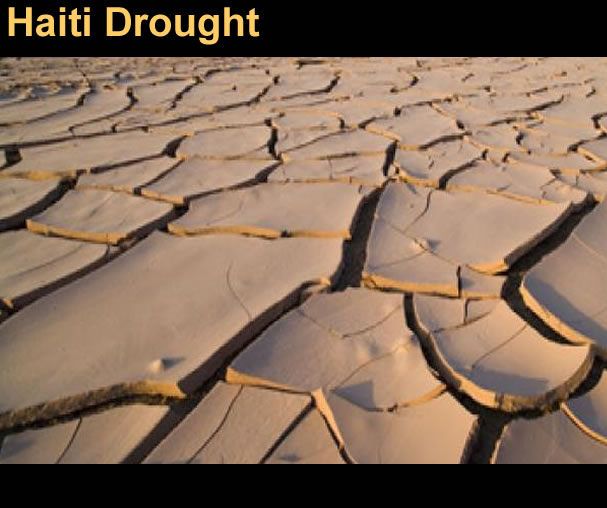
A lack of rain in recent months has killed crops. Severe drought has halted cultivation and left people and livestock struggling to survive. The administration has declared a state of emergency across the poorest northeastern region in Haiti. The eight months long draught has resulted the loss of corps for two seasons. In some places it is so severe that if one even manages to get the food it is more difficult to find water to cook or drink. Recently there have been some scanty rains but not enough to fulfill the shortfall. The dry season is due to last at least one more month. Over 40% of the households are considered food insecure and children face high levels of malnutrition. Climate change, food, and hunger are all interconnected issues in Haiti.
Haiti Receiving Food Aid instead of Agricultural Support
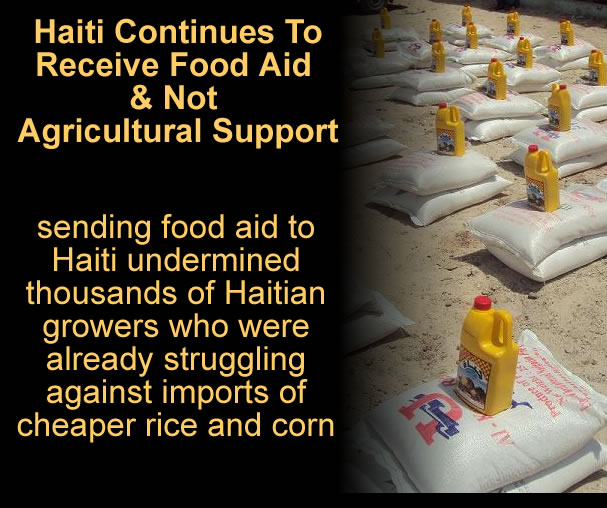
In the months following the 2010 earthquake, the US government has provided $140 million subsidy to US farmers, and USAID sent 90,000 metric tons American of crops to Haiti. Unquestionably, this was a necessity because it fed many. However, in some other senses, these are negatively affecting rural Haitians and farmers in a major way. Instead of receiving food aid if the international donors support Haiti's agricultural sector and provide food to those only in need and purchase the entire Haitian rice crop over the next two years or so, this may help Haiti to become more self-sufficient in agriculture. US food aid programs are practically designed to encourage food imports from US. Haitians are importing 80% of their rice consumption from US because it is cheaper to import than locally produce.
IDB to Fund Infrastructures on the Island of La Gonâve
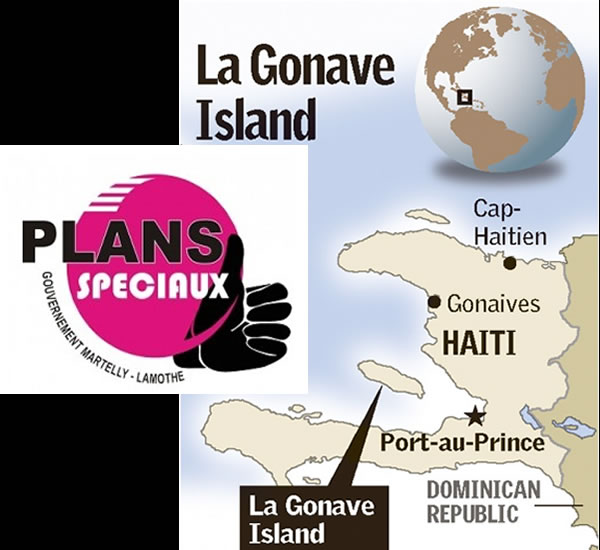
Gonâve Island or Île de la Gonâve (in French) is the largest of the Hispaniolan satellite islands of Haiti located west-northwest of Port-au-Prince in the Gulf of Gonâve. This barren island is mostly made up of limestone; it is 60 km long and 15 km wide, covers an area of 743 square km. After the earthquake, the Inter-American Development Bank (IDB) had pledged to grant more than $2.2 billion in the next 10 years to fund Haiti's recovery efforts and cancelled all of its outstanding debt. Recently, under "Gouvènman an lakay ou" or 'Government Home Building Program', the IDB has approved the government's request to fund the construction of two schools accommodating 820 students and a project to build 30 km long road linking Pointe-à-Raquette and Anse-à-Galet. On last Friday, 6 October, 2014, on the instruction of the Prime Minister Lamothe several important ministers and officials visited Gonâve to form a monitoring committee for the ensuing project.
 Church Avenue Bakery Haitian Patties
  Issa El Saieh And His Rich Sense Of Humor
  President Florvil Hyppolite Haiti's famed Iron Market
 _____________________
 Dr. Henri Ford, First Haitian Dean At University of Miami Med...
  Pope Francis appointed Mgr. Launay Saturne Archbishop of...
  Paul Eugène Magloire, born in Quartier Morin
  Haiti Street Food, manje kwit or Chin Janbe, for $1 or less
  Haitiano-Japanese Naomi Osaka wins the US Open against Serena...